
This week I’ve had two days of working with groups of young Disabled people – yesterday at Sense College in Loughborough, today at Midlands Arts Centre with my friends at Services For Education in Birmingham.
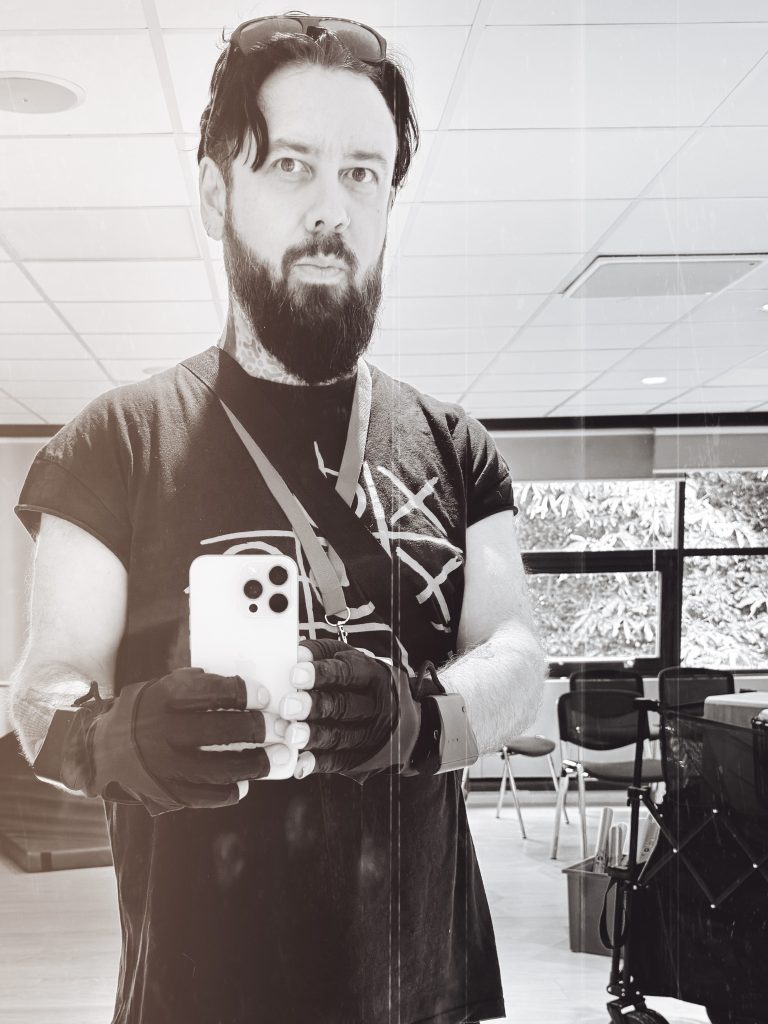
I haven’t done SEN/D college/school delivery for a little while now. I took a long break, for a bunch of reasons worth talking about another time. But in the gap, I forgot how hilariously WOW the MiMu Gloves are close up. I liken it to good sleight-of-hand, people are just in awe. Where does the sound come from? Why do all those different hand movements sound different?
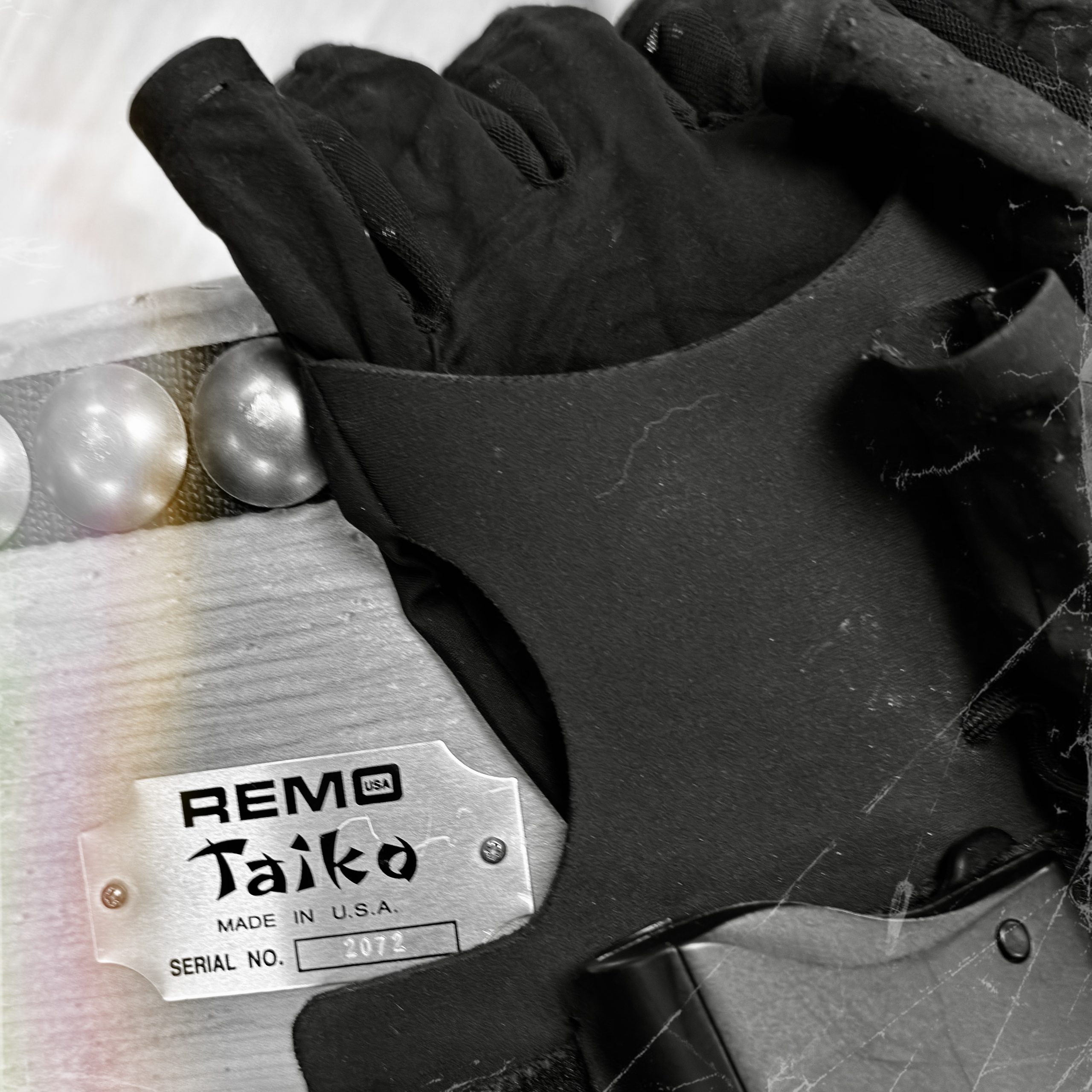
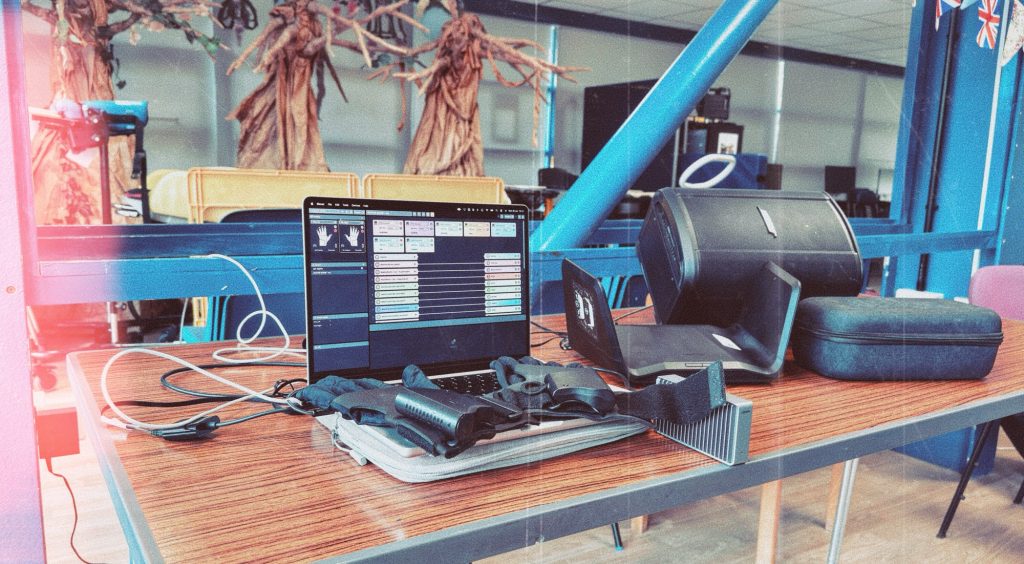
With some careful mapping, I’ve now got a nice improv palette that allows me to explore all my favourite glove “tricks” in one simple patch. Grabbing piano chords, air drumming. plucking kotos out of thin air; it’s an invisible sandbox to play in. It was super fun. I also got to play a taiko with the gloves. Magic!
That playful improvisational is what is needed in a SEN/D setting. I always lead from a place of improvisation: allowing young people to truly freely explore, without any notion of what is “correct” is vital to embedding a sense of connection with music. Play is everything.
I’ve resisted using the gloves in these settings, because apart from the potential for distraction – they get A LOT of attention – I’ve always tended to work in a very structured, song-based way with them. It took me a minute to think about how I could have something so free and open that I could just jam in a room with 8 other people, all of whom have some kind of traditional instrument.
Working with young Disabled people always matters. I think a lot about what seeing a talented Disabled adult would have meant to me as a kid. I’ll always remember seeing Mik Scarlet on TV as a kid; it was exciting and transformative, but sadly, he wasn’t in my classroom.
For a lot of the young people I support, they face hugely complex barriers to music. My being there is a small win; I’m more like they are than many of the adults they meet. But any work that includes representation requires a high degree of self awareness and privilege checking; my life is very big and very full. Maybe that’s the point; I’ve faced the barriers to expression, and come away with that big, full life. It’s a knotty one. Great power, great responsibility, and all that.
I also have to quite boundaried(?) and selective nowadays; I could make a full time career in music education, but that would leave little time for all the things. It needs constant tweaking and calibration. If I’m not doing any inclusive music work, I lose a little edge. Too much, and I lose a little of my sense of self. There’s lots I could say on music leadership and balancing our art; a thread to explore soon *post it notes to screen*
Normalising the gloves as just another instrument in the room goes a long way – but the real dream is to share that process with more young people. The gloves aren’t for everyone, but musical movement capture is such a powerful tool; if you’d have asked me 10 years ago, I’d have assumed that would be normalised by now. There’s still lots to do, barriers to address. We’re thinking about it.
But yes, more music delivery in my diet feels useful and healthy right now. It’s almost the end of the academic year, but I’ll be looking to do more in September. If you’d like to talk about bringing me into your organisation’s next musical inclusion adventure, you know where to find me x
Leave a Reply